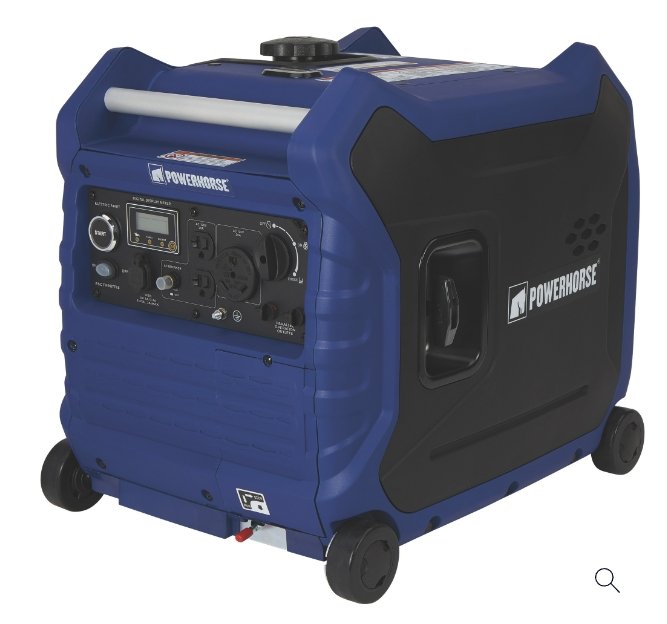
Navigating the crowded world of portable generators can feel like trying to find a needle in a haystack—or, more accurately, a reliable power source in a sea of options. When you're weighing critical factors like dependability, features, and value, it’s easy to gravitate towards the household names. Yet, an intriguing contender often flies under the radar: Powerhorse. This article cuts through the noise, pitting the Powerhorse Generator vs. Competitors to reveal whether this less-heralded brand truly delivers unexpected quality and value.
At a Glance: Why Powerhorse Might Surprise You
- "Honda Clone" Engines: Often compared to Honda for engine quality, offering similar reliability without the premium price tag.
- Engineered in the US: While manufactured overseas, Powerhorse generators are engineered, developed, and tested in Minnesota by Northern Tool + Equipment.
- Sensitive Electronics Ready: Both inverter and open-frame models typically produce power with less than 5% Total Harmonic Distortion (THD).
- Exceptional Value: Generally more affordable than top-tier brands, with robust features for the price.
- Design for Practicality: Oversized fuel tanks, multiple outlets, and portable designs (wheel kits, foldable handles) are common.
- Dual-Fuel Options: Selected high-power units offer the flexibility of running on gasoline or propane.
The Underdog Story: Who is Powerhorse, Really?
In a market dominated by familiar giants, Powerhorse generators represent an interesting niche. They’re not as universally recognized as a Honda or a Generac, but that doesn't mean they lack pedigree. Powerhorse is a trademarked brand of outdoor power equipment, including generators, owned and distributed by Northern Tool + Equipment. This American company, founded in 1981 in Burnsville, Minnesota, has a long history in tools and machinery.
So, while you might find "Made in China" or "Made in Vietnam" on a Powerhorse unit, it's crucial to understand the full picture: these generators are engineered, developed, and rigorously tested right in Minnesota by Northern Tool's team. This oversight helps explain why Powerhorse generators are frequently dubbed "Honda clones"—a testament to their engine quality and the meticulous engineering process aimed at delivering performance comparable to industry leaders. It’s a compelling blend of global manufacturing efficiency paired with American design and quality control.
Peeking Under the Hood: Powerhorse's Core Features & Strengths
When you start digging into the specifics, Powerhorse generators showcase a feature set designed to meet real-world power needs without breaking the bank. From residential backup to job site demands, they pack a punch that often outperforms their price point.
Many Powerhorse models feature OHV (Overhead Valve) engine technology, known for its efficiency, quieter operation, and longer engine life compared to older side-valve designs. For most models, you'll also find a low oil alert and automatic shutdown function, a vital safeguard that prevents catastrophic engine damage if oil levels drop too low. It's a small detail that speaks volumes about the brand's commitment to durability.
One significant differentiator, particularly for those concerned about power quality, is the low Total Harmonic Distortion (THD). Most Powerhorse inverter and even open-frame models produce power with less than 5% THD. Why does this matter? It means your sensitive electronics—laptops, smartphones, medical devices—are safe from voltage spikes and irregular current, a crucial consideration for modern living. If you’re not familiar with the benefits of inverter technology, know that Powerhorse provides clean power whether you opt for their dedicated inverter models or their conventional generators.
Powerhorse also pays attention to user experience:
- Oversized Fuel Tanks: A common advantage across the lineup, these larger tanks translate directly to longer runtimes, reducing the frequency of refueling—a welcome convenience during extended outages or projects.
- Multiple Outlets: High-power open-frame units are typically equipped with 4-8 120V 20A outlets, ensuring you have enough connection points for various tools and appliances.
- Robust Construction: Northern Tool emphasizes that most models utilize 100% copper-wound generator heads, which are superior for heat dissipation and longevity compared to aluminum windings.
- Maneuverability: Features like foldable handles and wheel kits are standard on many units, making it easier to move heavier high-power generators around your property or job site.
- Digital Displays: Multi-functional VFT LCDs provide critical operational data at a glance, allowing you to monitor voltage, frequency, and run hours easily.
- Dual-Fuel Versatility: For select high-power units, Powerhorse offers dual-fuel functionality, allowing them to run on either gasoline or propane. This flexibility is a significant advantage, particularly when one fuel type might be scarce or more cost-effective. To learn more about this versatile option, check out our in-depth guide to dual-fuel generators.
With an average price point around $850, ranging from approximately $430 to $3000 for the largest units, Powerhorse offers these robust features at a very competitive price, making them an attractive option for value-conscious buyers.
Powerhorse vs. The Giants: A Head-to-Head Comparison
To truly understand Powerhorse's standing, we need to stack it against the industry's titans and other strong contenders. Each brand has its niche, and comparing them helps clarify where Powerhorse shines and where others might have an edge.
Quality & Reliability: Powerhorse vs. Honda, Briggs & Stratton, Generac
- Honda: The gold standard for reliability and engine quality. Honda generators are renowned for their longevity, quiet operation (especially inverters), and consistently clean power. Their engines are often the benchmark, which is why Powerhorse being called a "Honda clone" is a compliment. While Powerhorse aims for similar engine quality and low THD, Honda often commands a higher price tag due to its long-standing reputation and rigorous internal quality control. If absolute, top-tier reliability regardless of cost is your priority, Honda remains supreme.
- Briggs & Stratton: A household name for engines, Briggs & Stratton brings decades of manufacturing expertise. Their generators are generally reliable, widely available, and come with a strong service network. They offer a broad range, from basic portables to more robust units. Powerhorse competes well on features and price with many Briggs & Stratton models, often providing comparable power quality and robust construction for less.
- Generac: An American powerhouse, Generac excels in both portable and standby generators. They design and manufacture many products in the USA, and their reputation for durability and extensive product lines is well-earned. Generac's portable generators are robust, but can sometimes be pricier than Powerhorse for similar power outputs. Powerhorse offers a strong value proposition, especially for those who appreciate US engineering input despite overseas manufacturing.
Value & Affordability: Powerhorse vs. Champion, DuroMax, WEN, Sportsman Series
- Champion Power Equipment: A US-based company that has quickly become a favorite for its excellent balance of features, performance, and aggressive pricing. Champion offers a huge variety of conventional, inverter, and dual-fuel generators. Powerhorse often competes directly with Champion on price and features, particularly in the mid-range. Both offer strong value, but Powerhorse's consistent focus on copper-wound heads and Northern Tool's direct distribution can be a slight edge in perceived build quality.
- DuroMax/DuroStar: These sister brands, designed and serviced in the US but manufactured overseas, are known for their powerful dual-fuel generators. They often pack a lot of wattage for the money. Powerhorse stands toe-to-toe with DuroMax/DuroStar in terms of dual-fuel options and power output. The primary difference often comes down to specific model features and individual dealer promotions.
- WEN & Sportsman Series: These brands, typically sourced from Asian manufacturers, offer some of the most budget-friendly options on the market. While they provide basic power solutions at very attractive price points, they may not always match Powerhorse's stated commitment to 100% copper-wound generator heads or the extensive engineering and testing in the US. For the absolute lowest price, WEN or Sportsman might win, but Powerhorse often offers a step up in perceived quality and features for a modest price increase.
Performance for Sensitive Electronics: Powerhorse vs. Westinghouse, Yamaha, DeWalt
- Westinghouse: A respected brand with US-designed products often manufactured in China and Vietnam (similar to Powerhorse). Westinghouse portable generators are widely praised for their clean power (<5% THD), reliability, and competitive pricing, especially their inverter models. Powerhorse's <5% THD on both inverter and conventional models places it squarely in competition with Westinghouse for powering sensitive electronics.
- Yamaha: Like Honda, Yamaha is a Japanese brand celebrated for high-quality engines and excellent inverter generators that produce exceptionally clean and quiet power. They are often pricier but deliver top-tier performance. Powerhorse offers a more affordable alternative for clean power, though generally not matching Yamaha's ultra-quiet inverter models.
- DeWalt: Known for robust power tools, DeWalt also offers portable generators, some powered by Honda engines and manufactured under license by Generac. Their units are built for job site durability. While reliable, Powerhorse's range specifically caters to clean power across more models, making it a strong contender for those needing versatile, sensitive-electronics-friendly power beyond just the job site.
Portability & Design: Powerhorse vs. Pulsar, A-iPower, Ryobi
- Pulsar & A-iPower: These brands, with US presences but outsourced manufacturing, offer a wide range of portable generators, often including dual-fuel and RV-ready designs. They emphasize features like electric start and maneuverability. Powerhorse's design elements—oversized fuel tanks, integrated wheel kits, and foldable handles—are very competitive with Pulsar and A-iPower, sometimes offering a more robust feel in construction.
- Ryobi: A popular power tool brand, Ryobi offers portable generators with a focus on ease of use and modern features. Their designs are often compact. Powerhorse's design tends to prioritize practicality and heavy-duty use, especially in its larger models, sometimes at the expense of ultra-compact form factors seen in some Ryobi inverters.
Noise Levels: Powerhorse vs. Honda, Yamaha (Inverters)
- Honda & Yamaha Inverters: These brands set the benchmark for quiet operation, producing noise levels often in the 50-60 dB range—comparable to a normal conversation. If whisper-quiet operation is a top priority (e.g., in campgrounds or noise-sensitive neighborhoods), these premium inverters are hard to beat.
- Powerhorse: While Powerhorse offers inverter models that are quieter than their open-frame counterparts, their open-frame generators, like most conventional generators, can be louder. This is a common trade-off for higher power output and affordability. If extreme quietness is essential, and you're comparing against Powerhorse's open-frame units, you'd likely prefer a dedicated inverter from any brand.
Decoding the "Made In": Manufacturing & Support Realities
The "Made in China/Vietnam" label on Powerhorse generators is a point of common discussion. However, it's a reality for a vast number of brands in the portable generator market today. Many major players—including Westinghouse, Yamaha, Cat, A-iPower, DuroMax, DuroStar, Energizer, FIRMAN, Ford, Pulsar, Ryobi, Sportsman Series, and WEN—also outsource their manufacturing overseas, even if they have US design, engineering, or distribution hubs.
The key differentiator for Powerhorse lies in Northern Tool + Equipment's direct involvement. The generators are engineered, developed, and tested in Minnesota. This means the specifications, quality control protocols, and performance benchmarks are set and overseen by a US-based team. While the assembly might happen thousands of miles away, the intellectual property and rigorous testing happen closer to home. This level of oversight provides a significant advantage over brands that simply import generic products and re-brand them.
Furthermore, being distributed by Northern Tool means a reliable customer support channel. You're dealing with an established American retailer that has a vested interest in supporting its proprietary brand. This can be a huge benefit when it comes to warranty claims, parts availability, or technical assistance, offering peace of mind that some lesser-known imported brands simply cannot match.
Picking Your Power Partner: When Powerhorse Makes Sense (and When It Doesn't)
Choosing the right generator means aligning its strengths with your specific needs. Here's a breakdown of when Powerhorse truly shines and when you might consider other options.
Best Use Cases for Powerhorse
- Home Backup on a Budget: For homeowners looking for a reliable source of emergency power without the premium price of a Honda or a large standby generator, Powerhorse offers excellent value. Their range includes units capable of running essential appliances, and their low THD is a significant plus for modern homes. For a deeper dive into options, explore different home backup power solutions.
- Job Sites and Construction: The robust build, multiple outlets, and higher wattage options make Powerhorse a strong contender for powering tools and equipment on construction sites. The dual-fuel units add flexibility.
- RV and Camping: Powerhorse inverter generators provide clean, relatively quiet power for RVs and campsites. The oversized fuel tanks mean fewer interruptions, and the portability features are welcome.
- Value-Conscious Buyers: If you prioritize strong features, good build quality (like copper-wound heads), and US-backed engineering at a more affordable price than the absolute top-tier brands, Powerhorse hits a sweet spot.
- Those Needing Clean Power for Sensitive Electronics: The consistent <5% THD across many models means you don't have to solely rely on inverter models to protect your electronics, offering more options.
When to Look Elsewhere
- Extreme Quietness is Paramount: While Powerhorse inverters are reasonably quiet, if you need absolute minimal noise levels (e.g., very restrictive campgrounds, close neighbors), premium Honda or Yamaha inverter generators still lead the pack.
- Absolute Brand Loyalty: If you have an unwavering preference for a specific legacy brand due to decades of personal experience or a perceived bulletproof reputation, you might stick with it.
- Very Specific Industrial or Commercial Needs: For highly specialized industrial applications requiring very specific certifications or extreme heavy-duty continuous operation, some commercial-grade brands (like Cat, or NorthStar which also sells through Northern Tool and offers US-made, Honda-engined units) might be more tailored.
- Smallest, Lightest Possible Generator: While Powerhorse offers portable options, if your priority is the absolute smallest, lightest, backpack-friendly generator for minimal loads, some ultra-compact inverters from other brands might edge it out.
Ultimately, your decision should stem from an informed understanding of your needs. For a broader perspective on generator choices, consider consulting our comprehensive generator buyer's guide.
Common Questions & Misconceptions About Powerhorse
Let's address some of the most frequent queries and clear up any lingering confusion about Powerhorse generators.
Is Powerhorse really a "Honda clone"?
This label refers primarily to the quality and design principles of Powerhorse's engines, which are often robust, reliable, and efficient, drawing comparisons to Honda's highly regarded engines. It implies a similar level of engineering and performance expectation, rather than a direct copy or use of Honda components. Northern Tool aims for Honda-level quality in their engine development and testing.
Where are Powerhorse generators made?
Powerhorse generators are engineered, developed, and tested in Burnsville, Minnesota, USA, by Northern Tool + Equipment. The actual manufacturing and assembly of components are carried out in factories located in China or Vietnam. This model of US design and overseas production is common across many modern generator brands.
Are Powerhorse generators good for sensitive electronics?
Yes, generally. Many Powerhorse models, including both inverter and conventional (open-frame) units, produce power with less than 5% Total Harmonic Distortion (THD). This level of clean power is well within the safe range for most sensitive electronics, such as laptops, smartphones, TVs, and medical equipment. Always check the specific model's THD rating if this is a critical concern.
What about warranties and customer support?
As a proprietary brand of Northern Tool + Equipment, Powerhorse generators are backed by Northern Tool's warranty and customer support infrastructure. This typically means you have a direct channel for service, parts, and technical assistance through a well-established US retailer. Warranty periods can vary by model, so always check the product specifications.
Keeping Your Powerhorse Running Strong
No matter how well-engineered your generator is, its longevity and reliability depend heavily on proper care. Powerhorse, like any other generator, benefits from regular maintenance.
Here are a few universal tips to keep your Powerhorse (or any generator) in prime condition:
- Read the Manual: This is non-negotiable. The owner's manual provides specific guidelines for your model, including maintenance schedules, oil types, and troubleshooting.
- Regular Oil Changes: Just like your car, the engine oil in your generator needs to be changed at recommended intervals (often after the first 20-30 hours, then every 50-100 hours or annually).
- Check the Air Filter: A clogged air filter can significantly reduce engine performance and fuel efficiency. Clean or replace it as needed, especially in dusty environments.
- Fuel Management: Use fresh, stabilized fuel. Stale gasoline can gum up the carburetor and fuel lines. If storing for extended periods, either run the carburetor dry or use a fuel stabilizer. For dual-fuel models, remember to manage both fuel sources appropriately.
- Spark Plug Inspection: Periodically check and clean or replace the spark plug to ensure efficient ignition.
- Load Testing: It's a good practice to run your generator under a significant load for a short period every few months, even if you haven't used it for backup. This helps lubricate engine parts and keeps the unit ready for action.
For a more comprehensive overview of how to maintain your generator effectively, be sure to consult essential generator maintenance tips. A well-maintained generator is a reliable generator, especially when you need it most.
The Final Spark: Making Your Decision
The landscape of portable generators is vast and varied, and choosing the right one for your needs requires careful consideration. While brands like Honda and Generac have earned their top-tier status through years of consistent performance, Powerhorse generators carve out a compelling niche.
They represent a brand that consciously aims for high-quality engineering and robust features, then delivers them at a price point that often surprises. The "Honda clone" moniker isn't just marketing; it reflects a genuine effort to provide comparable engine reliability and clean power. Backed by Northern Tool + Equipment's US-based engineering, development, and testing, Powerhorse offers a distinct advantage in oversight and support compared to many other budget-friendly options that simply import and rebrand.
If you're seeking a generator that balances reliability, modern features (like low THD and dual-fuel options), and affordability, Powerhorse deserves a serious look. It might not have the same widespread name recognition, but its blend of US-driven quality control and accessible pricing makes it a powerful contender. Don't let the less familiar name deter you; sometimes, the unexpected choice delivers the most satisfying results.
Ready to explore your options further? You can Explore Powerhorse generators and see if one of these unexpected powerhouses is the right fit for your needs.