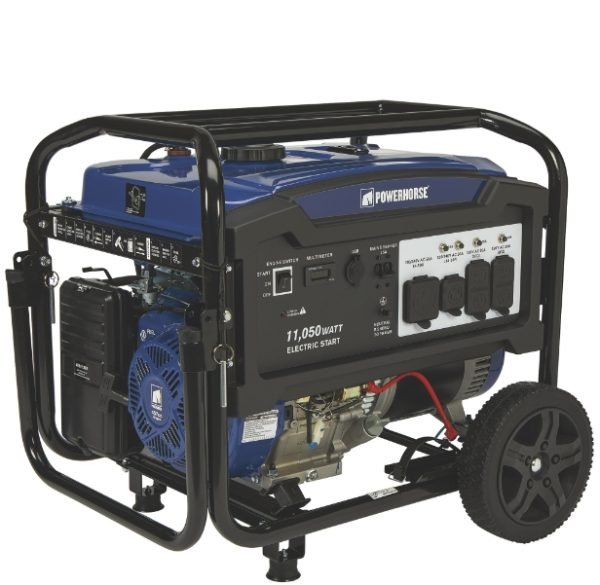
There's a distinct peace of mind that comes with knowing your Powerhorse generator is ready to spring to life whenever you need it most. Whether you're facing a power outage, managing a remote job site, or powering your off-grid adventures, its reliability is paramount. But even the toughest machines demand a little TLC, and that means having the right Powerhorse Generator Accessories & Parts on hand.
Neglecting your generator's upkeep isn't just a gamble; it's a surefire way to shorten its lifespan and invite frustrating downtime. This comprehensive guide will walk you through everything you need to know about genuine Powerhorse parts, essential accessories, and smart maintenance practices to keep your investment purring smoothly for years to come.
At a Glance: Your Powerhorse Maintenance Toolkit
- Authenticity First: Always prioritize genuine Powerhorse parts for guaranteed fit and performance.
- Key Replacements: Air filter, oil filter, spark plug, and fuel filter are your regular maintenance MVPs.
- Maintenance Milestones: Track hours for filter changes (air: 50-100 hrs, oil: 100-200 hrs) and spark plug replacements (100-200 hrs).
- Fuel Care: Use fresh, stabilized fuel to prevent the most common starting issues.
- Know Your Model: Your generator's model and serial numbers are crucial for finding the correct parts.
- Troubleshooting Basics: Many issues, from hard starts to rough running, can be resolved with simple part checks and replacements.
Why Genuine Powerhorse Parts Are Non-Negotiable (And Where to Find Them)
When it comes to maintaining your Powerhorse generator, cutting corners on parts can be a costly mistake. Genuine Powerhorse components are engineered to precise specifications, ensuring perfect fit, optimal performance, and the durability you expect from the brand. Using off-brand or ill-fitting parts can lead to decreased efficiency, premature wear on other components, and even void your warranty.
Think of it like this: your Powerhorse generator is a finely tuned machine, and its parts are designed to work in harmony. Swapping a critical component with an unverified alternative is like introducing a bad actor into an orchestra—it throws everything out of sync.
Sourcing Your Genuine Powerhorse Parts
Reliable suppliers are your best friend in this journey. You want retailers known for stocking authentic Powerhorse parts, not generics. Here are some trusted online sources:
- RCPW (Repair Clinic Parts Warehouse)
- Jack's Small Engines
- Power Equipment Direct
- Ereplacementparts.com
- Powersmith
When ordering, always double-check the product description and customer reviews to confirm you're receiving genuine Powerhorse components.
The Quest for the Right Part Number
Finding the correct part number is arguably the most critical step in ordering replacements. A small discrepancy can lead to the wrong part arriving, wasting your time and effort. Don't guess; verify.
Here's how to pinpoint the exact part you need:
- Check Your Generator's Plate: Most Powerhorse generators have a model and serial number plate affixed directly to the unit, often on the frame, engine block, or near the control panel. This is your primary source of truth.
- Consult Your Owner's Manual: Your owner's manual is a treasure trove of information, including detailed parts diagrams and corresponding part numbers. If you've misplaced your physical copy, you can usually download a digital version directly from the Powerhorse Generator Hub or the manufacturer's website.
- Online Parts Diagrams: Websites like Jack's Small Engines often provide exploded diagrams specific to Powerhorse models. Input your model number, and you can visually identify and get part numbers for virtually every component.
- Contact the Manufacturer or a Dealer: If all else fails, reach out to Powerhorse customer service or visit a certified dealer. With your model and serial number, they can quickly look up the exact parts you require.
Pro Tip: Always have your generator's model number and serial code handy. This information expedites the entire part-finding and ordering process.
Your Essential Powerhorse Maintenance Checklist
Proactive maintenance is the cornerstone of generator longevity. By regularly checking and replacing key Powerhorse Generator Accessories & Parts, you'll prevent minor issues from snowballing into costly repairs.
The Big Three: Air Filter, Oil Filter, and Spark Plug
These are the workhorses of your generator's health, directly impacting performance and fuel efficiency.
- Air Filter: This unsung hero protects your engine from dust and debris. A clogged air filter chokes the engine, leading to reduced power, increased fuel consumption, and premature wear.
- Maintenance Schedule: Check every 50 hours of operation; replace at least every 100 hours, or more frequently in dusty environments. Always use manufacturer-approved filters.
- Oil Filter: Just like in your car, the oil filter keeps your engine's lubricant clean, free of contaminants, and flowing smoothly.
- Maintenance Schedule: Replace the first time after 20 hours of initial use (break-in period), then every 100-200 hours.
- Spark Plug: This small but mighty component ignites the air-fuel mixture, making your engine run. A fouled or worn spark plug can cause misfires, difficult starting, and poor performance.
- Maintenance Schedule: Replace after the initial 20 hours, then every 100-200 hours. Also replace if you notice wear, a widening gap, or heavy fouling.
Fuel System Guardians: Fuel Filter & Stabilizer
Fuel is the lifeblood of your generator, and keeping it clean and stable is critical.
- Fuel Filter: Located along the fuel line, this filter prevents sediment and contaminants from reaching the carburetor, where they can cause clogs and running issues.
- Maintenance Schedule: Replace when dirty, or every 1-2 years as a preventive measure.
- Fuel Stabilizer: Stale fuel is the nemesis of small engines. Stabilizer prevents ethanol separation and fuel degradation, especially during storage.
- Best Practice: Add stabilizer to every tank of fuel, especially if the generator will sit unused for more than a month. Run the generator for a few minutes after adding to circulate the stabilized fuel.
The Heart of the Engine: Carburetor
The carburetor mixes air and fuel in the correct proportions. It's often the culprit behind rough running, stalling, or difficult starting.
- Maintenance Schedule: Clean every 6-12 months, or more frequently if using inconsistent fuel quality or storing for long periods without proper fuel stabilization.
- Signs of Trouble: Difficult starting, stalling, inconsistent RPM, black smoke, gasoline smell, or visible corrosion/leaks. Sometimes, a thorough cleaning is enough; other times, a rebuild kit or a new OEM carburetor is necessary.
Getting It Started: Recoil Starter
The recoil starter is your generator's direct link to getting the engine turning over.
- Maintenance: Inspect the rope for fraying and ensure the pulley moves freely.
- Repair/Replacement: If the rope is frayed, broken, or the mechanism jams, it's time for repair or replacement.
Beyond the Basics: Clean Oil & Repair Manual
Don't overlook these fundamental items.
- Clean Oil: Regularly check your oil level and ensure you're using the manufacturer-specified oil type. Clean oil is crucial for reducing friction and heat.
- Repair Manual: An indispensable tool. It contains diagrams, troubleshooting steps, and exact specifications for every part. Download one if you don't have a physical copy.
Hands-On: Step-by-Step Part Procedures
Ready to get your hands dirty? Here's how to tackle some of the most common Powerhorse Generator Accessories & Parts replacements. Always refer to your specific owner's manual for model-specific instructions and safety precautions.
Replacing Your Air Filter
A clean air filter is vital for engine longevity.
- Locate the Housing: The air filter housing is usually a plastic box on the side of the engine.
- Release Clamps/Screws: Open the housing by releasing clamps, screws, or clips.
- Remove Old Filter: Carefully take out the old, dirty air filter. Note its orientation.
- Clean Housing: Wipe out any dust or debris from inside the housing.
- Insert New Filter: Place the new Powerhorse-approved filter, ensuring any direction arrows point correctly (often towards the engine).
- Replace Cover & Secure: Close the housing and secure all clamps, screws, or clips.
Swapping the Oil Filter
Regular oil filter changes are critical for engine health. Powerhorse generators typically use standard spin-on automotive-style oil filters.
- Prepare: Place a drip pan beneath the filter area.
- Drain Oil: (Optional, but recommended) Drain the engine oil first to reduce mess.
- Locate & Remove: Find the old oil filter. Use an oil filter wrench to loosen and remove it by turning counter-clockwise. Be prepared for some oil to leak out.
- Lubricate New Gasket: Apply a thin film of clean oil to the rubber gasket of the new filter.
- Install New Filter: Hand-tighten the new filter clockwise until the gasket makes contact with the engine block, then tighten an additional 1/2 to 3/4 turn. Do not overtighten.
- Refill Oil & Check: Refill the engine with the specified amount and type of fresh oil. Start the generator and check for leaks around the new filter.
- Specific Oil Filter Examples:
- PH3500: Often compatible with Fram PH4967 or Napa Gold 1354.
- PH2200: Often compatible with Fram PH3614 or Napa Gold 1056.
- PH7000: Often compatible with Fram PH6607 or Napa Gold 1358.
- Always confirm these cross-references with your owner's manual and verify gasket seal and threading before use.
Changing Your Spark Plug
A fresh spark plug ensures reliable ignition.
- Remove Spark Plug Cap: Disconnect the rubber cap from the top of the spark plug.
- Clean Area: Use compressed air or a brush to clear any debris around the plug.
- Remove Old Plug: Use a spark plug wrench to unscrew the old plug counter-clockwise.
- Inspect & Gap New Plug: Check the new manufacturer-specified spark plug for any damage. Crucially, use a spark plug gapping tool to ensure the gap matches your engine's specifications (found in your manual).
- Install New Plug: Hand-thread the new plug clockwise into the cylinder head. Once finger-tight, use the wrench for a final 1/4 to 1/2 turn to snug it down. Do not overtighten, as this can damage the cylinder head.
- Reconnect Cap: Push the spark plug cap firmly back onto the plug.
Installing a New Fuel Filter
A clean fuel filter keeps your carburetor happy.
- Locate Filter: Find the in-line fuel filter, usually between the fuel tank and the carburetor. Note the fuel flow arrow on the filter.
- Prepare: Place a drip pan underneath to catch any spilled fuel. Pinch off the fuel line on both sides of the filter with clamps to minimize leakage, or drain the fuel tank first.
- Remove Old Filter: Disconnect the fuel lines from either side of the old filter and remove it.
- Install New Filter: Lubricate the new filter's gaskets with a tiny amount of fresh gasoline. Ensure the flow arrow on the new filter points towards the engine/carburetor. Reconnect the fuel lines, being careful not to cross-thread or overtighten the clamps.
- Check for Leaks: Release the fuel line clamps. Start the engine and visually inspect for any fuel leaks around the new filter connection points.
Tackling the Recoil Starter
A broken recoil starter means no manual starts.
- Access: Remove the outer cover or shroud that conceals the recoil starter assembly.
- Disconnect Rope: If the old rope is still attached, carefully disconnect it from the pulley mechanism inside the starter.
- Remove Starter: Unscrew the mounting bolts holding the recoil starter to the engine. If there's any wiring (e.g., for engine kill switch), disconnect it.
- Mount New Starter: Align and mount the new recoil starter, securing it with the mounting screws. Reconnect any wiring.
- Thread Pull Cord: If the new starter doesn't come with a pre-threaded rope and handle, thread the new pull cord through the pulley and the starter casing opening. Knot the end to secure it.
- Attach Handle: Thread the cord through the handle and tie a secure knot.
- Test & Reinstall: Give the cord a few gentle pulls to ensure smooth operation. Consult your manual for any specific spring tension or cord length requirements. Once satisfied, reinstall the outer cover.
Troubleshooting Common Powerhorse Generator Issues
Generators, like any machinery, can develop quirks. Knowing how to diagnose common problems related to Powerhorse Generator Accessories & Parts can save you time and money.
"My Powerhorse Won't Start!" — A Troubleshooting Flowchart
This is perhaps the most common and frustrating issue. Here’s a step-by-step approach:
- Check the Basics:
- Fuel Valve: Is it open?
- Fuel Level: Do you have enough fresh, stabilized fuel? (Stale fuel is a major culprit!)
- Oil Level: Is the oil at the correct level? Many generators have low-oil shutdowns.
- Control Panel: Are all switches (on/off, choke) in the correct starting positions?
- Examine the Air Filter: A heavily clogged air filter can choke the engine, preventing it from starting. Inspect and replace if dirty.
- Inspect the Spark Plug:
- Remove the spark plug. Is it wet (too much fuel/oil) or covered in black soot (fouled)?
- Clean or replace the plug. Ensure it's gapped correctly.
- Spark Test: While removed, reconnect the plug wire and hold the plug against a metal part of the engine (use insulated pliers for safety). Pull the recoil starter. Do you see a strong, blue spark? No spark could indicate a bad plug, ignition coil, or kill switch issue.
- Test Recoil Starter Tension: Does the pull cord engage the engine effectively, or does it feel loose/broken? If faulty, refer to the replacement procedure.
- Listen for the Starter Motor (Electric Start): If you have an electric start model, does the starter motor crank the engine? If not, check the battery (charge level, terminals) and starter solenoid.
- Try Starting Fluid (Cautiously): A very small, brief spray of starting fluid into the air intake can indicate if it's a fuel delivery issue. If it briefly fires, your problem is likely fuel-related (carburetor, fuel filter).
- If Problems Persist: This could point to deeper issues like a clogged carburetor, a faulty ignition module, or a defective voltage regulator. At this point, consulting your owner's manual or a professional is advisable.
Carburetor Conundrums
The carburetor is often the source of many running problems.
- Signs of Malfunction: Difficult starting/stalling, inconsistent RPMs (surging or hunting), black smoke from the exhaust, a strong gasoline smell, or visible corrosion/leaks.
- Action: Try cleaning it first, especially if the generator has sat with old fuel. If issues persist after a thorough cleaning, a carburetor rebuild kit might fix it, or a complete OEM carburetor replacement may be needed.
Voltage Fluctuations & Surging Power
If your generator's output isn't steady, this can harm sensitive electronics.
- Potential Culprits: A faulty automatic voltage regulator (AVR), issues with the stator, or sometimes even a partially clogged fuel system can cause surging.
- Action: If fuel system checks are clear, focus on electrical components. This often requires professional diagnosis.
General Signs a Part Needs Replacement
Beyond specific issues, watch for these common indicators:
- Surging/Inconsistent Power: Regulator, carburetor, stator.
- Overheating: Clogged air filter, blocked cooling fan, low oil.
- Knocking Noise: Low oil, worn bearings.
- Failure to Start: Stale fuel, fouled spark plug, recoil issue.
- Excessive Smoke (Blue/Black/White): Worn piston rings (blue), rich fuel mixture (black), condensation/coolant leak (white, less common in air-cooled generators).
- Oil Leaks: Damaged gaskets or seals.
Diagnose and repair promptly to prevent minor issues from becoming major overhauls.
Smart Purchasing & Compatibility for Powerhorse Parts
Making informed choices about where and what to buy can maximize your budget without compromising quality.
OEM vs. Aftermarket: A Balanced View
While genuine OEM (Original Equipment Manufacturer) parts are always the safest bet for Powerhorse generators, some third-party or universal parts can be suitable if specifications precisely match.
- When OEM is Critical: For complex components like carburetors (unless using a genuine rebuild kit), voltage regulators, or critical engine internals, sticking to OEM is highly recommended for guaranteed compatibility and performance.
- Where Universal Parts Can Work (with Caution):
- Oil Filters: Quality aftermarket brands like Fram or Wix often produce filters that cross-reference perfectly with Powerhorse specifications. Always verify model compatibility, threading, and gasket dimensions.
- Air Filters: High-quality aftermarket air filters can be a good substitute, but ensure they meet filtration standards and fit snugly.
- Spark Plugs: Reputable brands like NGK or Champion offer alternatives, but you must use the manufacturer-specified heat range and ensure correct gapping.
- Starter Cords: Replacement starter cords are often universal, requiring you to cut to length and tie the handle.
- Batteries (for Electric Start Models): Any battery matching the required Amp-hour (Ah) and Cold Cranking Amps (CCA) ratings will work.
Always consult your owner's manual or a trusted dealer before substituting any critical part with an aftermarket alternative.
The Convenience of Maintenance Kits
Many retailers offer pre-packaged maintenance kits, simplifying the purchasing process.
- Types of Kits:
- Air/Oil Filter Kits: Basic kits containing just these two essential filters.
- Tune-Up Kits: Usually include air filter, oil filter, and a spark plug. Sometimes include a funnel or fuel stabilizer.
- Repair Kits: More comprehensive, potentially including filters, a spark plug, a carburetor rebuild kit, and cleaning supplies.
- What to Look For: Verify that the contents of any kit explicitly match your specific Powerhorse generator model. Don't assume generic "generator maintenance kits" will fit.
Finding a Local Powerhorse Dealer
Sometimes, you need expert advice or immediate access to parts.
- Powerhorse Website Dealer Locator: The official website is often the best place to start.
- Online Directories: Search engines or business directories for "power equipment repair," "small engine shops," or "generator service" in your area.
- Equipment Rental Companies: These often service their own fleets and may sell parts or offer service.
Snagging a Deal: Promotions & Discounts
Keep an eye out for ways to save on your Powerhorse Generator Accessories & Parts.
- Seasonal Sales: Black Friday, Memorial Day, or end-of-season sales often include power equipment and parts.
- Bulk Order Discounts: If you own multiple generators or plan extensive maintenance, some retailers offer discounts for larger orders.
- Coupons & Newsletters: Sign up for email newsletters from parts retailers; they often send out exclusive coupon codes.
- Clearance Items: Check clearance sections for discontinued models' parts, which might still fit older Powerhorse units.
- Price Matching: Some larger retailers may price match competitors.
Maximizing Your Powerhorse's Lifespan (Beyond Parts)
Your generator's longevity isn't just about replacing parts; it's about holistic care. Powerhorse generators are generally praised by customers for their solid quality, durability, and long-lasting parts, often comparing their reliability favorably to premium brands—especially with regular, diligent maintenance.
- Regular Cleaning & Shelter: Keep your generator clean, especially cooling fins and air intakes, to prevent overheating. Store it in a dry, covered area, protected from direct sun, rain, and extreme temperatures.
- Using Your Owner's Manual Wisely: This manual is your ultimate guide. Don't just find it when something breaks; familiarize yourself with its contents, especially the maintenance schedule and troubleshooting sections. If you've lost it, you can often download a PDF from the manufacturer's website or request one from a dealer.
Your Powerhorse Journey: Next Steps for Reliable Power
You're now equipped with the knowledge to keep your Powerhorse generator in peak condition. Remember, proactive care is far less stressful and expensive than reactive repairs.
Here’s your actionable plan:
- Locate Your Generator's Model & Serial Numbers: Write them down and keep them in a safe place.
- Acquire Your Owner's Manual: If you don't have it, download or request one immediately.
- Stock Up on Essentials: Purchase spare air filters, oil filters, and spark plugs. Don't forget high-quality engine oil and fuel stabilizer.
- Schedule Your Maintenance: Mark your calendar or set reminders based on the recommended service intervals.
- Perform Regular Checks: Even between scheduled services, a quick visual inspection before each use can catch minor issues early.
By following these guidelines and trusting genuine Powerhorse Generator Accessories & Parts, you're not just maintaining a machine; you're investing in reliable power, every single time.